Helichrysum Benefits for Skin: Why This Botanical Oil Is So Valued in Natural Skincare
Helichrysum is one of the most interesting botanical ingredients used in natural skincare. Often called Immortelle or Everlasting, this Mediterranean plant has a long history in traditional herbal preparations and is especially valued for its use in skin-supporting formulas.
Today, helichrysum essential oil is attracting scientific interest for its antioxidant, anti-inflammatory, and skin-protective properties. Early research suggests that certain compounds in this plant may help protect the skin, support its natural repair processes, and influence enzymes involved in collagen and elastin breakdown.
But what exactly makes helichrysum so special? What are the benefits of helichrysum for skin, and how can you use helichrysum oil for your face safely?
Let's look at the traditional uses, the available scientific research, and practical ways to incorporate this botanical ingredient into your skincare routine.
What Is Helichrysum?
Helichrysum (Helichrysum italicum) is a flowering plant native to the Mediterranean region. Its small yellow flowers grow in sunny, dry environments, and they retain their color long after harvesting. This characteristic is why the plant is also known as Everlasting or Immortelle.
The essential oil is obtained through steam distillation, primarily from the flowering tops of the plant. It has a distinctive warm, herbaceous, slightly honey-like aroma.
Helichrysum contains a complex combination of naturally occurring aromatic compounds, including neryl acetate, alpha-pinene, gamma-curcumene, and other terpenes. The exact composition varies depending on the plant's growing location, harvesting conditions, and distillation process.
These natural compounds are responsible for much of the scientific interest in helichrysum essential oil.
It is worth noting that helichrysum essential oil and helichrysum-infused herbal oil are not the same thing. Essential oil is a concentrated aromatic extract, while an infused oil is made by steeping plant material in a carrier oil. Both can be used in botanical skincare, but their compositions and applications are different.
5 Potential Benefits of Helichrysum for Skin
Helichrysum has traditionally been used in preparations for irritated, damaged, and aging skin. Modern research is beginning to investigate some of the biological mechanisms behind these traditional applications.
Here are five reasons this botanical ingredient is worth knowing about.
1. Antioxidant Properties That Help Protect Skin
Every day, our skin is exposed to environmental stressors such as UV radiation, pollution, and other factors that contribute to oxidative stress.
Oxidative stress occurs when unstable molecules called free radicals accumulate and overwhelm the skin's natural antioxidant defenses. Over time, this process can contribute to the breakdown of collagen, changes in skin texture, and visible signs of premature aging.
Helichrysum contains naturally occurring compounds that have demonstrated antioxidant activity in laboratory research.
A 2023 study published in Molecules examined the chemical composition and biological activity of Helichrysum italicum essential oil. Researchers investigated its individual constituents as well as combinations of compounds, finding interesting antioxidant and other biological activities.
Why does this matter for skincare?
Antioxidant ingredients are valuable because they can help protect skin components from oxidative damage. This makes helichrysum an interesting botanical addition to formulations designed to support healthy-looking, mature skin.
It is important to remember that laboratory antioxidant activity does not establish that applying helichrysum oil to the face prevents wrinkles or reverses sun damage. More human research is needed.
2. May Help Support Collagen and Elastin Preservation
Collagen and elastin are essential structural proteins in our skin.
Collagen provides firmness and support, while elastin helps skin maintain its flexibility and ability to bounce back. As we age, the production and maintenance of these proteins change, contributing to fine lines, wrinkles, and loss of skin firmness.
One particularly interesting study was published in the Journal of Medicinal Food in 2019.
Researchers investigated Helichrysum italicum essential oil and its ability to inhibit two enzymes:
Collagenase, an enzyme involved in collagen breakdown.
Elastase, an enzyme involved in elastin breakdown.
In laboratory testing, the essential oil demonstrated inhibitory activity against both enzymes.
This is an interesting finding because protecting the skin's structural proteins is an important focus in anti-aging skincare.
While this research does not prove that helichrysum essential oil reduces wrinkles in people, it provides a scientific reason to continue investigating its potential in skin-care formulations.
For those interested in botanical anti-aging ingredients, this is one of the most promising areas of helichrysum research.
3. Anti-Inflammatory Properties and Skin Comfort
Skin inflammation can show up in many ways, including redness, sensitivity, and discomfort.
Helichrysum has traditionally been used in herbal preparations for irritated skin, and laboratory studies have investigated its potential anti-inflammatory activity.
A 2021 study published in Food and Chemical Toxicology examined the relationship between the chemical composition of immortelle essential oil and its biological activities, including antimicrobial and anti-inflammatory effects.
Researchers found that the activity of the oil depended on the interaction between its different chemical constituents.
This is an important detail: the benefits of a whole essential oil cannot always be explained by looking at just one isolated compound.
For skincare, this research makes helichrysum an interesting ingredient to explore in carefully formulated products intended to support comfortable-looking skin.
4. Supports Research Into Skin Repair and the Skin Barrier
A healthy skin barrier helps retain moisture and protect against external irritants.
When the skin barrier becomes compromised, skin can feel dry, tight, uncomfortable, and more reactive.
Researchers are investigating whether Helichrysum italicum extracts may influence some of the biological processes involved in skin maintenance and repair.
A 2023 study published in the Acta Medica Academica investigated the effects of Helichrysum italicum extract on human dermal fibroblast cells.
Fibroblasts are important cells in the skin because they participate in producing and maintaining components of the extracellular matrix, including collagen and other structural materials.
The researchers examined gene expression associated with skin repair and the extracellular matrix.
A separate 2022 study investigated Helichrysum-containing materials on human volunteers with experimentally irritated skin. The researchers found promising skin-protective effects with one of the tested formulations.
These findings are encouraging, although they do not establish that ordinary helichrysum essential oil alone produces the same results.
5. Traditionally Valued in Skin-Healing Preparations
Helichrysum has a long history in traditional European herbal practices, particularly in preparations for bruised, irritated, and damaged skin.
Modern researchers have begun investigating these traditional applications.
A 2022 systematic review published in the Journal of Food and Pharmaceutical Sciences examined 11 studies concerning Helichrysum italicum essential oil and wound healing.
The review discussed several biological activities, including antioxidant, antimicrobial, and anti-inflammatory effects, that may be relevant to different stages of the wound-healing process.
Helichrysum Oil Benefits for Face: Is It Good for Mature Skin?
One reason helichrysum is popular in natural skincare is its potential relevance to several concerns associated with mature skin.
Based on the available research, its most interesting potential applications include:
Antioxidant skin support: Its naturally occurring compounds have demonstrated antioxidant activity in laboratory studies.
Collagen and elastin research: Laboratory findings suggest that certain helichrysum essential oils may inhibit enzymes involved in the breakdown of these structural proteins.
Skin comfort: Its traditional use and preliminary research make it an interesting ingredient for carefully formulated products intended for skin prone to irritation.
Skin barrier research: Studies of helichrysum extracts suggest potential interactions with processes involved in maintaining and repairing skin tissue.
For mature skin, I particularly appreciate the idea of using botanical ingredients that support several aspects of skin care rather than focusing only on the appearance of fine lines.
However, helichrysum is not a replacement for sunscreen, a good moisturizer, or well-studied anti-aging ingredients such as retinoids and certain peptides.
It is best viewed as one potentially beneficial component of a thoughtful skincare formulation.
How to Use Helichrysum Essential Oil for Skin
Helichrysum essential oil is highly concentrated. It should not be treated like an ordinary facial oil or applied directly to the face undiluted.
Here are a few ways to incorporate it into skincare.
1. Mix With a Carrier Oil
One way to use helichrysum essential oil is to dilute it in a nourishing carrier oil.
Suitable carrier oils include:
Jojoba oil
Sweet almond oil
Rosehip seed oil
Argan oil
Avocado oil
For facial application, a conservative starting concentration is approximately 0.5–1% essential oil, depending on individual skin tolerance and the complete formulation.
Carrier oils also bring their own skincare properties. For example, jojoba oil helps soften the skin, while rosehip oil contains naturally occurring fatty acids.
2. Look for a Properly Formulated Facial Cream or Serum
For everyday skincare, I generally prefer professionally formulated products over experimenting with concentrated essential oils at home.
A well-designed facial formula combines botanical oils, moisturizing ingredients, and other skin-supporting ingredients in appropriate proportions.
This is particularly important for sensitive skin. The concentration of essential oils, the quality of the carrier ingredients, and the overall formulation all influence how a product feels and performs on the skin.
3. Use a Botanical Facial Oil as Part of Your Evening Skincare
A properly formulated facial oil can be applied after a water-based serum or moisturizer, depending on the product instructions.
Use a small amount and gently press it into the skin.
If you are introducing a new product, start with a small amount and observe how your skin responds.
Is Helichrysum Essential Oil Safe for Sensitive Skin?
Helichrysum is a natural ingredient, but that does not mean it is automatically suitable for everyone.
Essential oils contain concentrated aromatic compounds that can cause irritation or allergic contact dermatitis in susceptible individuals.
For safer use:
Never apply pure helichrysum essential oil directly to your face.
Use an appropriately diluted formulation.
Perform a patch test before introducing a new product.
Avoid the eye area and mucous membranes.
Do not apply essential oils to open wounds.
If you are pregnant, nursing, have a medical condition, or take medication, consult a qualified healthcare professional before using concentrated essential oils.
People with very reactive or compromised skin barriers should be especially cautious.
For daily facial care, a professionally formulated product with a low, appropriate essential oil concentration is generally a better choice than applying pure essential oil.
Why I Value Helichrysum in Botanical Skincare
At Honest & Pure, I believe good skincare starts with understanding the ingredients we put on our skin.
I developed Honest & Pure after experiencing my own struggles with sensitive skin and realizing how difficult it was to find skincare products that felt fresh, thoughtfully formulated, and suitable for reactive skin.
My interest in herbal medicine and aromatherapy led me to study botanical ingredients more deeply, including the research behind their traditional uses.
Helichrysum is one of those fascinating plants where traditional herbal knowledge and modern scientific investigation meet.
I particularly appreciate the research into its antioxidant activity, skin-protective properties, and potential role in preserving the skin's structural components.
But an ingredient is only as good as the formula it becomes part of. Concentration, freshness, ingredient quality, and compatibility with the skin all matter.
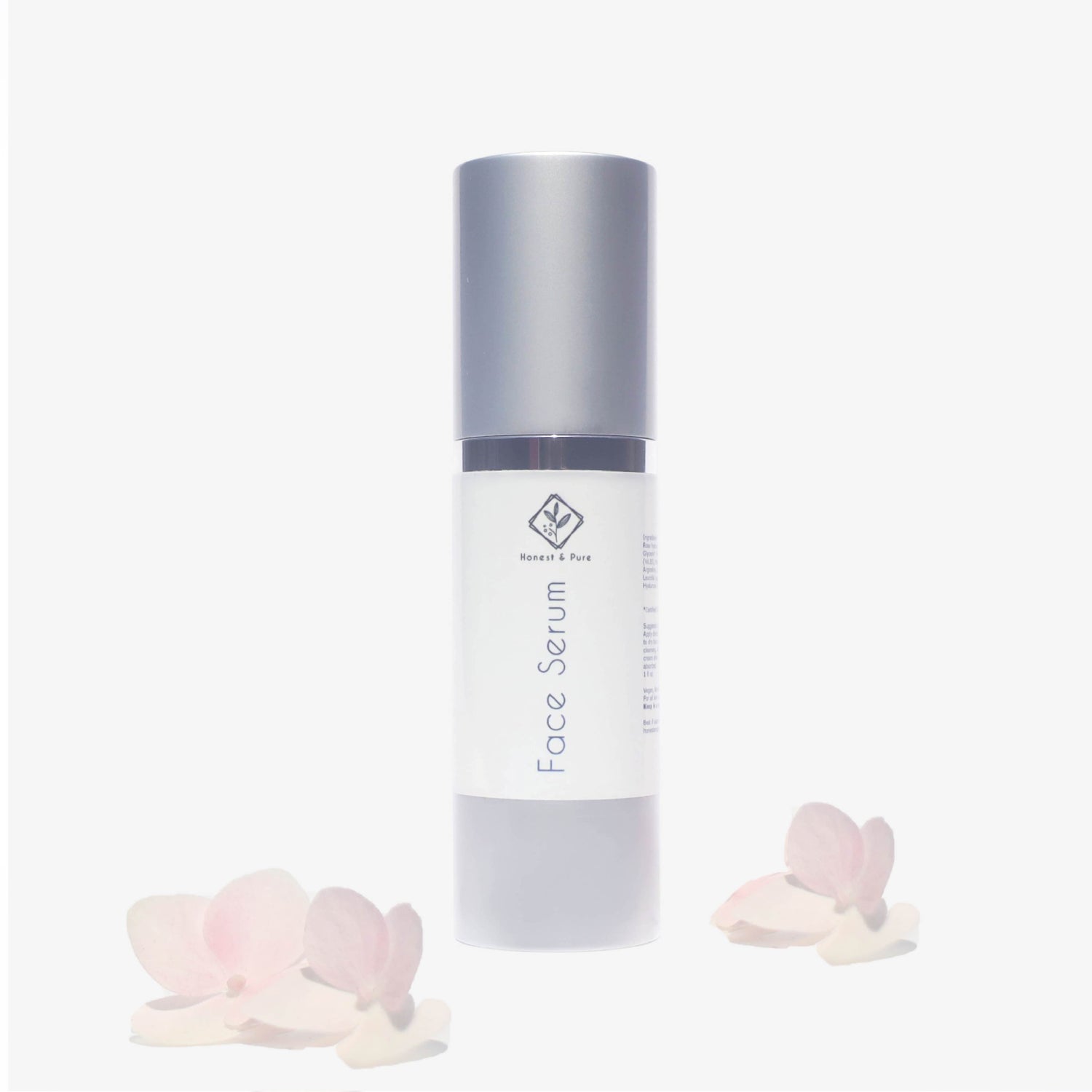
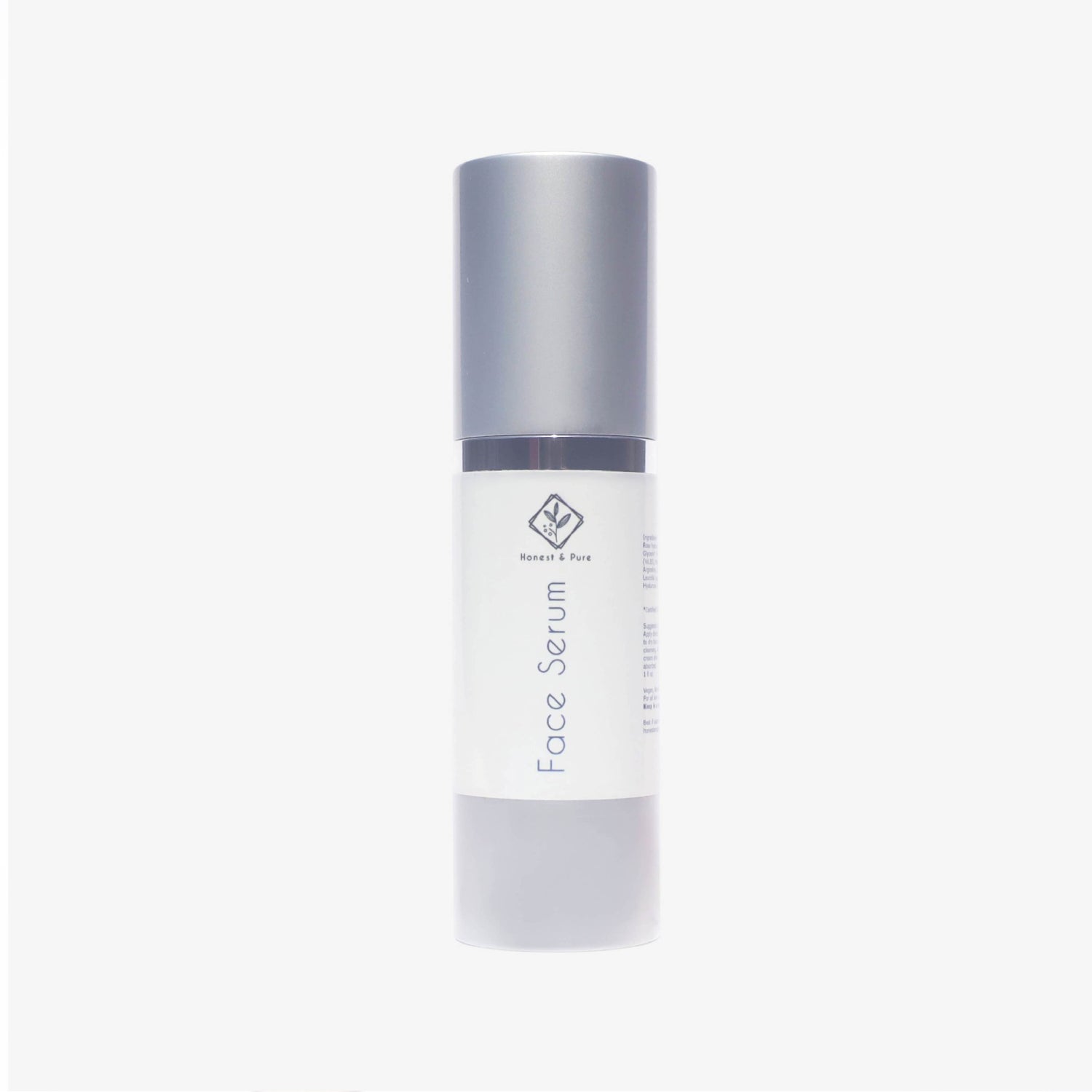
That is why I believe in small-batch skincare made with carefully selected ingredients, fresh botanical oils, and thoughtfully developed formulations.
Explore Honest & Pure botanical skincare
If you are looking for skincare made with an emphasis on fresh ingredients, thoughtful formulations, and sensitive-skin needs, discover our collection of handmade botanical skincare.
Explore Honest & Pure Skincare
Frequently Asked Questions About Helichrysum
What are the main benefits of helichrysum?
Helichrysum is traditionally valued for skin-supporting applications. Scientific research has identified antioxidant, anti-inflammatory, and antimicrobial activities in certain Helichrysum italicum preparations. Laboratory studies have also investigated its potential effects on collagenase and elastase enzymes.
Is helichrysum oil good for wrinkles?
Helichrysum essential oil has demonstrated collagenase and elastase inhibitory activity in laboratory research. These enzymes are involved in the breakdown of collagen and elastin. This makes helichrysum an interesting ingredient for anti-aging skincare, although human clinical trials have not yet established that it reduces wrinkles.
Can I apply helichrysum essential oil directly to my face?
No. Pure essential oil is highly concentrated and can irritate the skin. It should be diluted in a suitable carrier or used as part of a professionally formulated skincare product.
Can helichrysum help with scars?
Helichrysum has traditionally been used in preparations for damaged skin and scars. Some laboratory and animal research has investigated its wound-healing potential. However, there is not enough high-quality human evidence to claim that it removes scars or reliably improves their appearance.
Is helichrysum good for dry skin?
Helichrysum is not primarily a moisturizing oil. However, when incorporated into a properly formulated facial oil or cream, it can be combined with nourishing carrier oils and moisturizing ingredients that help soften skin and reduce moisture loss.
What is the difference between immortelle and helichrysum?
Immortelle and Everlasting are common names for Helichrysum italicum. They generally refer to the same Mediterranean plant and its essential oil.
How often can I use helichrysum oil on my face?
It depends on the concentration and the complete formulation. A properly diluted facial product can be used according to its directions. Always introduce new products gradually, especially if your skin is sensitive.