
🌿 Essential Oils for Burns: Nature’s Relief for Skin Healing
 Burns are among the most common household injuries—whether from a hot pan, curling iron, or a long day under the sun. While conventional burn care focuses on cooling the skin and preventing infection, more people are turning to the best essential oils for burns to naturally ease pain, support skin repair, and minimize scarring.
Essential oils, with their concentrated botanical compounds, offer anti-inflammatory, antimicrobial, and regenerative benefits when used correctly. In this comprehensive guide, we’ll explore how essential oils can aid in burn recovery, with a spotlight on six of the most powerful oils: Lavender, Peppermint, Helichrysum, Cistus, Sacred Frankincense, and Tea Tree.
🔥 What Happens When You Get a Burn?
Burns are injuries to skin or deeper tissues caused by heat, radiation, electricity, or chemicals. They fall into categories:
-
First-degree: Affects outer skin only; redness and minor pain (e.g., sunburn).
-
Second-degree: Damages deeper layers; causes blistering and swelling.
-
Third-degree: Affects all layers of skin and possibly tissue below—medical emergency.
Important: Essential oils should only be used for minor (first-degree) and mild second-degree burns, never on open wounds, severe burns, or infected skin.
🌱 Why Use Essential Oils for Burns?
Essential oils have been used in traditional healing for thousands of years. Modern research is beginning to validate their therapeutic properties, especially in skin healing. Here's how essential oils benefit burn recovery:
-
Anti-inflammatory: Reduce swelling, redness, and heat.
-
Analgesic: Ease pain and discomfort.
-
Antimicrobial: Prevent infection in damaged skin.
-
Cicatrizant (wound-healing): Support regeneration of skin cells and minimize scarring.
Let’s dive deeper into the six essential oils for burns you need to know.
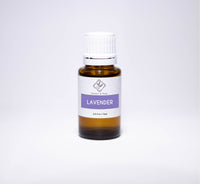
🌸 1. Lavender (Lavandula angustifolia)
💡 Why It Works:
Lavender is often considered the gold standard for skin healing and is one of the few essential oils that may be used neat (undiluted) in emergency situations—although dilution is still recommended for safety. It offers:
-
Anti-inflammatory properties to soothe irritation.
-
Pain relief, thanks to linalool and linalyl acetate.
-
Accelerated healing of skin cells.
-
Reduced scar formation.
🧪 Research Insight:
A 2016 study published in BMC Complementary and Alternative Medicine showed that lavender oil significantly increased wound contraction and collagen production in animal models, supporting faster healing.
🌿 How to Use:
-
Dilute 5–6 drops in 1 tablespoon of avocado oil or aloe vera gel.
-
Apply gently 2–3 times a day after cleaning the burn area.
❄️️ 2. Peppermint (Mentha piperita)
💡 Why It Works:
Peppermint oil provides instant cooling relief and numbs the area naturally. Its primary compound, menthol, has analgesic effects, reducing pain by interacting with cold receptors in the skin.
-
Cooling effect calms the burning sensation.
-
Anti-inflammatory actions reduce swelling.
-
Mild antimicrobial properties help prevent infection.
⚠️️ Caution:
Because of its strength and high menthol content, peppermint oil must always be diluted before application and should never be used on broken or blistered skin.
🌿 How to Use:
-
Combine 2 drops of peppermint oil with 1 tablespoon of avocado or jojoba oil.
-
Apply using a clean cotton ball once or twice daily.
🌼 3. Helichrysum (Helichrysum italicum)
💡 Why It Works:
Often called “Immortelle” or “Everlasting oil,” helichrysum is a premium oil known for its tissue-regenerating and scar-preventing abilities.
-
Powerful anti-inflammatory action (via compounds like α-pinene and neryl acetate).
-
Antioxidant and antibacterial—great for damaged skin.
-
Cicatrizant properties promote regeneration of skin tissue and collagen.
🧪 Bonus:
Helichrysum oil is frequently used in post-surgical scar creams due to its ability to improve skin texture and elasticity.
🌿 How to Use:
-
Mix 4–5 drops of helichrysum with 1 tablespoon of rosehip seed oil or argan oil.
-
Apply 2–3 times daily on healing skin to prevent scars.
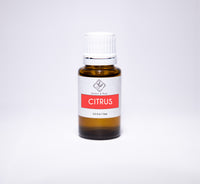
🌺 4. Cistus (Cistus ladanifer)
💡 Why It Works:
Cistus, also known as Rock Rose, is lesser-known but incredibly potent for skin healing.
-
Astringent and antimicrobial—helps tighten skin and defend against microbes.
-
Hemostatic properties—can slow minor bleeding (good for tiny skin breaks).
-
Promotes skin regeneration and reduces inflammation.
🧪 Traditional Uses:
Cistus has long been used in Mediterranean herbal medicine for wound healing, especially in healing ulcers and cuts.
🌿 How to Use:
-
Blend 3 drops of cistus oil with 1 tablespoon of avocado oil or jojoba oil.
-
Apply to the area once a day once the burn begins to dry out and needs tissue regeneration.
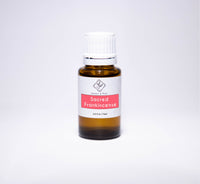
🌲 5. Sacred Frankincense (Boswellia sacra)
💡 Why It Works:
Sacred Frankincense is a rare and precious oil distilled from the Boswellia sacra tree. Compared to common frankincense (Boswellia carterii), it has a more refined chemical profile with:
-
Boswellic acids that reduce inflammation and pain.
-
Immunomodulating effects that support skin recovery.
-
Powerful cicatrizant properties for preventing scarring.
-
Antiseptic and calming effects on irritated skin.
🧪 Research Insight:
Frankincense oil has been shown in various studies to stimulate skin cell turnover, reduce swelling, and support regeneration of connective tissue.
🌿 How to Use:
-
Mix 3–5 drops of Sacred Frankincense with 1 tablespoon sweet almond oil or avocado oil.
-
Apply daily to healing skin to prevent thick scar formation and improve texture.
🌿 6. Tea Tree (Melaleuca alternifolia)
💡 Why It Works:
Known for its strong antimicrobial and antiseptic qualities, tea tree oil is excellent for burns at risk of infection (such as sunburns or small second-degree burns with intact blisters).
-
Fights infection with terpinen-4-ol and α-terpineol.
-
Reduces inflammation and swelling.
-
Useful in cleaning the burn area gently without alcohol-based antiseptics.
🌿 How to Use:
-
Add 2–3 drops to 1 tablespoon aloe vera gel or avocado oil.
-
Dab lightly on the area once daily.
💧 Application Tips for Essential Oils for Burns
To get the most benefit—and avoid doing harm—follow these safety guidelines:
✅ Do:
-
Dilute oils: Never apply essential oils directly to a fresh burn unless it's an emergency (e.g., lavender).
-
Use clean tools and hands.
-
Patch test before first use.
❌ Don’t:
-
Use oils on open wounds or oozing blisters.
-
Apply to third-degree or infected burns.
-
Use citrus oils on burned skin due to phototoxicity risk.
🧴 DIY Burn Relief Recipe (Blend for Minor Burns)
Here’s a gentle, effective essential oil blend for first-degree or mild second-degree burns:
🌿 Burn Soothing Blend
Ingredients:
-
3 drops Lavender
-
2 drops Helichrysum
-
2 drops Sacred Frankincense
-
1 drop Peppermint
-
1 tablespoon Avocado or Aloe vera gel (carrier)
Instructions:
-
Mix in a sterilized glass container.
-
Apply to clean, cooled skin 2–3 times a day.
-
Store in a cool, dark place.
🚑 When to See a Doctor
Essential oils are complementary, not replacements for medical treatment. Seek medical attention if:
-
The burn is larger than 3 inches.
-
There is blistering, especially on the face, hands, or genitals.
-
You notice pus, increasing redness, or fever (infection signs).
-
Pain worsens or healing
Written by Lena Isayev, B.A., C.A.
Share